
How to detect hidden problems in Copart and IAAI auction vehicles?
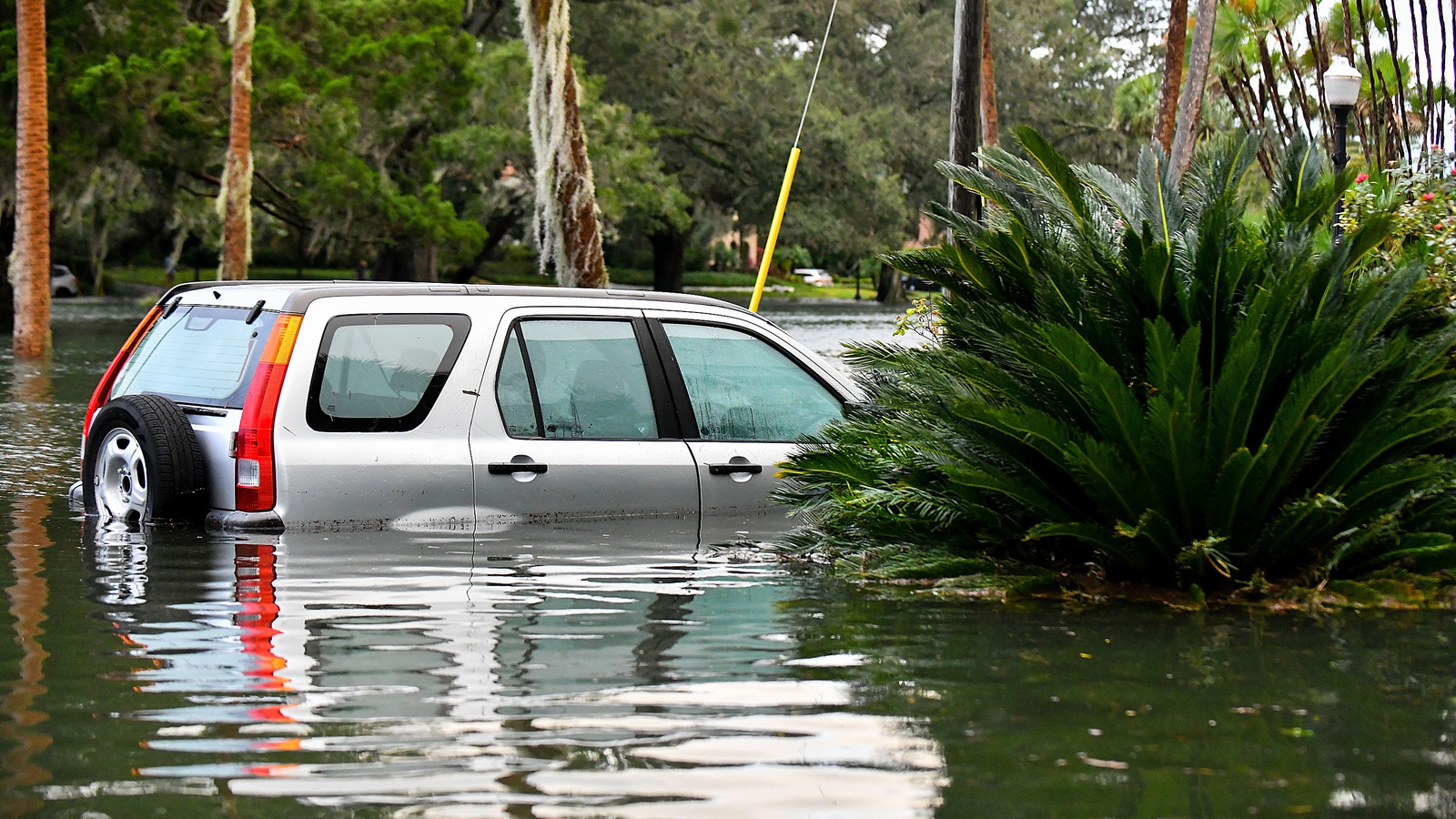
When buying a vehicle from an auction, the biggest risk is not the visible damage — it’s the hidden history behind it. Especially cars with Flood (Water Damage), poorly repaired accident damage, or incomplete restorations require deeper analysis.
Professional inspection rules:
1. Read Primary and Secondary Damage codes carefully
On Copart and IAAI, damage codes can reveal the real condition. “Water/Flood” is an obvious sign, but sometimes previous flood history may not appear in the current listing.
2. Zoom into interior photos
Look for stains, rust under seats, dirty seat belts, or mud residue. These are strong indicators of water damage.
3. Check dashboard warning lights
Multiple warning lights, dead screens, or electrical malfunctions often point to hidden electronic issues.
4. Inspect engine bay and fuse box
Mud lines, corrosion, oxidized connectors, and moisture traces can indicate flood exposure.
5. Analyze the seller type
Insurance company listings are often more transparent. Dealer listings may hide part of the vehicle’s history.
6. Always verify VIN history
Services like Carfax and AutoCheck can reveal flood records, salvage titles, mileage inconsistencies, and previous auction history.
7. Don’t trust “Run & Drive” blindly
A running vehicle can still have major electrical, transmission, or sensor issues after flood damage.
Golden Rule:
Auction photos only show what is visible. A professional analysis means combining damage codes, seller information, VIN history, and visual inspection together.
A correct analysis can save you thousands of dollars and prevent expensive mistakes.